
Professor Joshua Mok Ka-Ho, Provost and Vice-President (Academic & Research) , Dean of the Graduate School and the Director of the School of Transdisciplinary Studies at The Hang Seng University of Hong Kong (HSUHK), delivered a presentation at the Higher Education Research Association (HERA) Conference 2026, held in Beijing on Saturday, 13 June 2026. The conference was jointly hosted by the Graduate School of Education at Peking University and the School of Education at Tsinghua University.
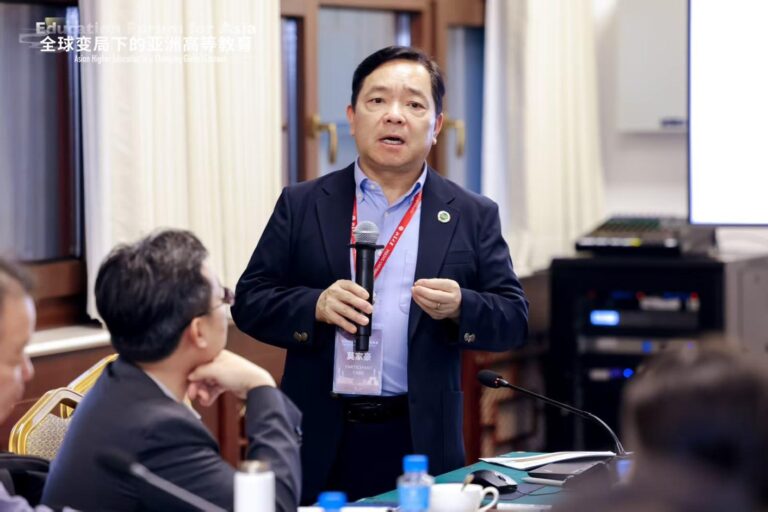
Figure 1. Professor Joshua Mok delivering his presentation at HERA 2026 in Beijing.
Titled “Questing for Higher Education Hubs: Challenges and Opportunities for Hong Kong, Singapore and Malaysia”, the presentation forms part of his ongoing public policy research project on doctoral talent as a strategic driver of education hub development. Drawing on a four-phase mixed-methods research design, the study examined how Asian education hubs are positioning themselves to attract and retain international doctoral students.
The presentation underscored that doctoral students play a critical role in knowledge production, innovation systems, and future talent pipelines, with international doctoral mobility becoming an increasingly contested domain globally.
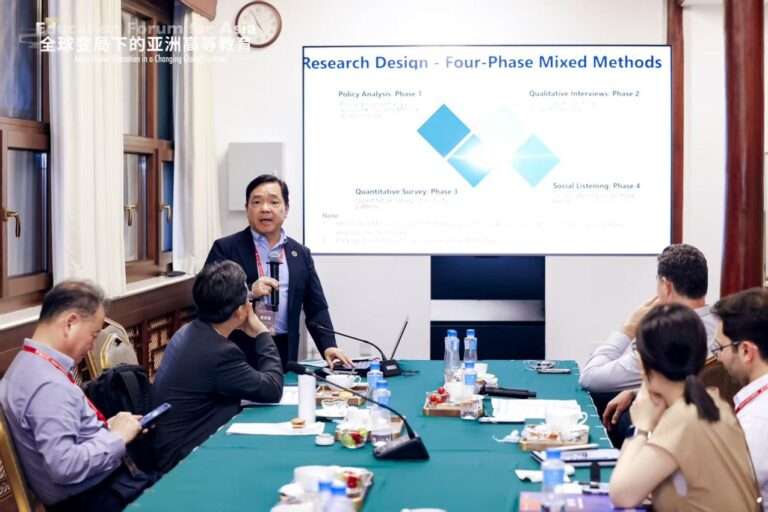
Figure 2. Audience engagement during the HERA 2026 session hosted at Peking University.
Findings from the project revealed that doctoral mobility is shaped by a complex interaction of factors, including financial support, institutional reputation, immigration policies, and career opportunities. Evidence from policy analysis, surveys, and in-depth interviews highlighted that funding availability, visa regimes, and research environments remain decisive in both attracting doctoral students and influencing their post-graduation intentions.
A key insight from the study is the importance of integrated policy coordination. Professor Mok emphasised that aligning education policy, immigration frameworks, and labour market strategies is essential for converting doctoral student inflows into sustained talent retention.
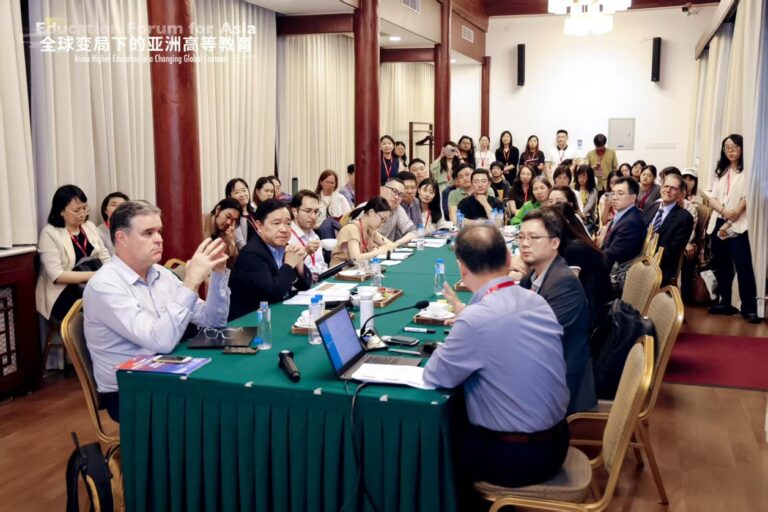
Figure 3. Professor Mok engaging with participants during the discussion session at the conference.
The presentation also highlighted how Hong Kong, Singapore, and Malaysia each adopt distinct yet complementary approaches in positioning themselves as education hubs within an emerging multipolar global higher education system.
The session attracted strong interest from scholars and policymakers, contributing to broader discussions on how Asian systems can strengthen their global competitiveness and build sustainable doctoral talent ecosystems in an increasingly uncertain international environment.